
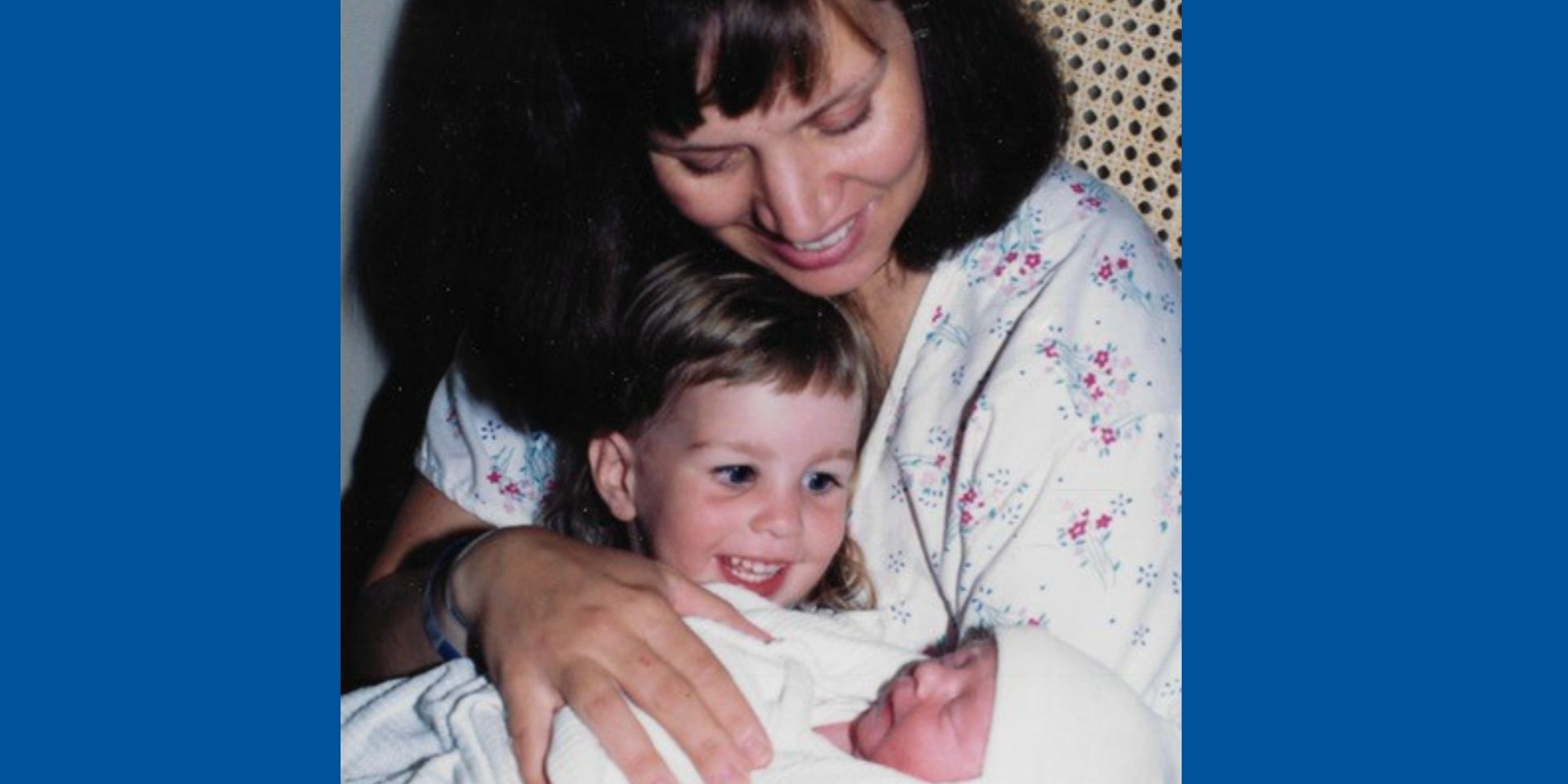
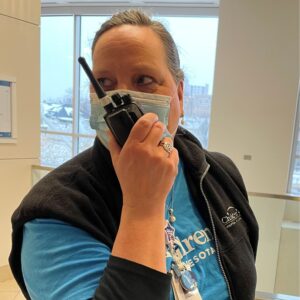
 En su hermosa letra cursiva de 1950, mi mamá notó que recibí mi inyección de rayos gamma el 1959 de abril cuando mi hermano tenía sarampión rojo, y luego mi segunda inyección de rayos gamma el 1963 de abril. En aquel entonces, la gammaglobulina se usaba como tratamiento sérico para prevenir o mitigar la infección por sarampión. Casi al mismo tiempo, me internaron con neumonía en el hospital infantil, el mismo hospital en el que llegaría para liderar las respuestas contra futuros brotes de sarampión.
Si bien no recuerdo estos primeros eventos, fueron los años más álgidos del sarampión en los Estados Unidos antes de que la vacuna contra el sarampión estuviera disponible en 1963. Los padres de niños en la era anterior a la vacuna le dirán lo aterrador que fue cuando el sarampión golpeó a su familia y el letrero de cuarentena se colocó en la puerta de su casa. Durante décadas después de la introducción de la vacuna, el sarampión se volvió cada vez más raro. La mayoría de los padres no sabían cómo era o, lo que es más importante, qué podía hacerles a sus hijos. Debido a que la vacuna contra el sarampión funcionó tan bien y los casos se volvieron raros, algunos padres comenzaron a preocuparse más por la vacuna que por la enfermedad en sí.
Leí sobre el sarampión en la escuela de enfermería en los años 1970, pero nunca vi a un paciente con él hasta después de la escuela de posgrado a principios de los años 1990. Fue entonces cuando Estados Unidos se vio afectado por un brote de sarampión en todo el país tras una caída en las tasas de vacunación preescolar. Este brote duró 3 años, causó más de 55,000 casos y provocó más de 120 muertes, la mayoría en niños pequeños no vacunados. Golpeó duro en St. Paul, MN, donde vivía, con más de 440 casos y la muerte de 3 niños pequeños, todos los cuales llegaron demasiado tarde para recibir atención. Pero tenga en cuenta que, antes de la vacuna, había entre 3 y 4 millones de casos de sarampión, 48,000 niños hospitalizados y hasta 500 muertes cada año en los EE. UU.
Trabajar en el Hospital Infantil de St. Paul, ver las muertes por sarampión y tantos niños enfermos y padres asustados en 1990 años, el año en que me convertí en madre, me cambió a mí y a la trayectoria de mi carrera para siempre. Ningún niño debería morir de una enfermedad prevenible mediante vacunas. El hospital tuvo que estar en modo de emergencia de control total de infecciones para evitar que el sarampión se propagara.
Este período también condujo a varias intervenciones efectivas de salud pública: agregar una segunda dosis de la vacuna contra el sarampión, las paperas y la rubeola (MMR) en el jardín de infantes para proteger a aproximadamente el 5% de las personas que no respondieron a la primera dosis; establecer el programa de Vacunas para Niños (VFC) para que el costo no sea una barrera para la vacunación; y aumentar la concienciación entre los profesionales de la salud sobre la importancia de tratar cada consulta como una visita de vacunación para evitar la ausencia de niños que están atrasados en el tratamiento de las vacunas recomendadas y hacer hincapié en la vacunación preescolar.
Juntas, estas acciones ayudaron a revertir uno de los brotes de sarampión más grandes de los que se tenga memoria moderna y condujeron al logro de la eliminación del sarampión en los Estados Unidos en 2000.
Regresa el sarampión
Sin embargo, a medida que Internet floreció, también lo hizo la información errónea sobre el sarampión y la vacuna triple viral, lo que generó falsos temores de que la vacuna causa autismo, un mito que ha sido completamente refutado. Para el 2017, la tasa de vacunación triple viral de Minneapolis se desplomó de más del 90% de vacunados a solo el 42% de los niños de 2 años, siendo la comunidad más afectada los niños en edad preescolar somalíes. Para la primavera, otra emergencia de enfermedades infecciosas estaba en marcha en el Hospital Infantil de Minnesota. Los 75 casos de sarampión atrajeron la atención nacional.
¿Cómo regresa el sarampión después de haber sido eliminado? La vacunación es un proceso continuo. Si no se mantienen, enfermedades como el sarampión pueden reaparecer cuando los viajeros las introducen en comunidades no vacunadas, como se vio en Minneapolis. Cuantas menos personas se vacunen, mayor será el brote.
Después de ver a muchos niños con sarampión, pude reconocerlo al otro lado del vestíbulo de la bulliciosa sala de emergencias: un niño muy débil, miserable y enfermo se dejó caer sobre el hombro de sus aterrorizados padres, gimiendo pero tan deshidratado que no se formaban lágrimas, al rojo vivo con fiebre, los ojos parpadeando de dolor solo por el brillo de las luces del vestíbulo. tos con moqueo profuso y la erupción característica que se extiende desde la línea del cabello hasta el tronco en cuestión de horas.
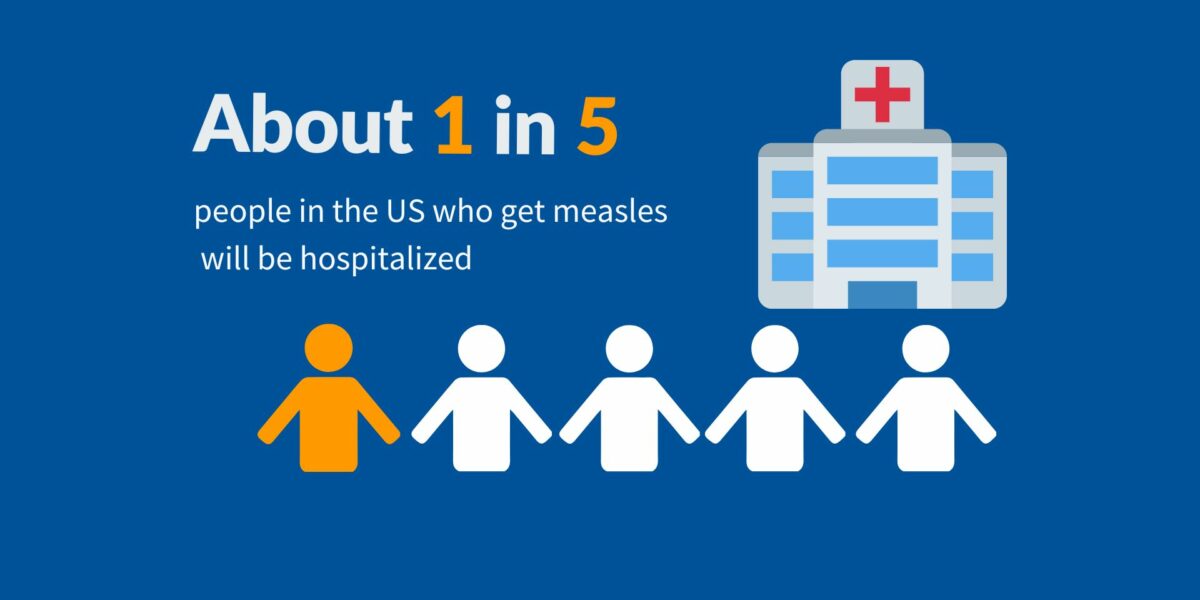
Muchos de estos niños fueron ingresados en el hospital porque tenían neumonía o encefalitis (inflamación cerebral) tan grave que no podían respirar bien por sí mismos. Recibieron rehidratación intravenosa y ventilación, pero no medicamentos antivirales, ya que no hay ninguno que trate el sarampión. Al hablar con docenas de padres, su arrepentimiento y vergüenza por no vacunar a sus hijos contra el sarampión fue profundo. Me decían cosas como: "Todo lo que quiero que haga es que se despierte, por favor, despierte", o "La habría vacunado si hubiera sabido que iba a estar tan enferma, no lo sabía", o "Me dijeron que no me pusiera la vacuna triple (MMR) cuando llegué a este país o lo volvería autista, ahora le tengo miedo al sarampión". Como enfermera practicante y madre, me sentí desconsolada por los padres que no se vacunaron solo para ver cómo es realmente la enfermedad que podrían haber evitado.
Comparto mis experiencias y las voces de los padres al lado de la cama de sus hijos enfermos para que los padres de hoy, en otro resurgimiento mundial del sarampión debido a la información errónea y la desinformación, escuchen a las personas que conocen el sarampión de primera mano. Los médicos que recomiendan la vacunación quieren lo mismo que los padres: seguridad y buena salud para los niños. Cuando los padres me preguntan qué hacer con la vacunación, les digo que lo más seguro es vacunar a sus hijos, para prevenir enfermedades graves de manera segura y consciente. Dejar que los niños no se vacunen significa correr un riesgo innecesario y potencialmente fatal.
Pude reconocer el sarampión en el bullicioso vestíbulo de la sala de emergencias: un niño débil, miserable y enfermo se dejó caer sobre el hombro de sus aterrorizados padres, gimiendo pero tan deshidratado que no se formaban lágrimas, al rojo vivo con fiebre, los ojos parpadeando de dolor por el brillo de las luces del vestíbulo, tosiendo con moqueo y la erupción cutánea característica.
El consejo de Patsy
El sarampión es una enfermedad muy grave, a veces mortal, que a veces cambia la vida, y que siempre se puede prevenir con vacunación. No se demore. Que todos los niños de 12 meses reciban la vacuna triple viral.
Comparta su historia
Comparta su historia para ayudar a otras personas a comprender mejor el impacto que tienen las enfermedades prevenibles mediante vacunas, las infecciones resistentes a los medicamentos y otras enfermedades infecciosas.
Recursos relacionados
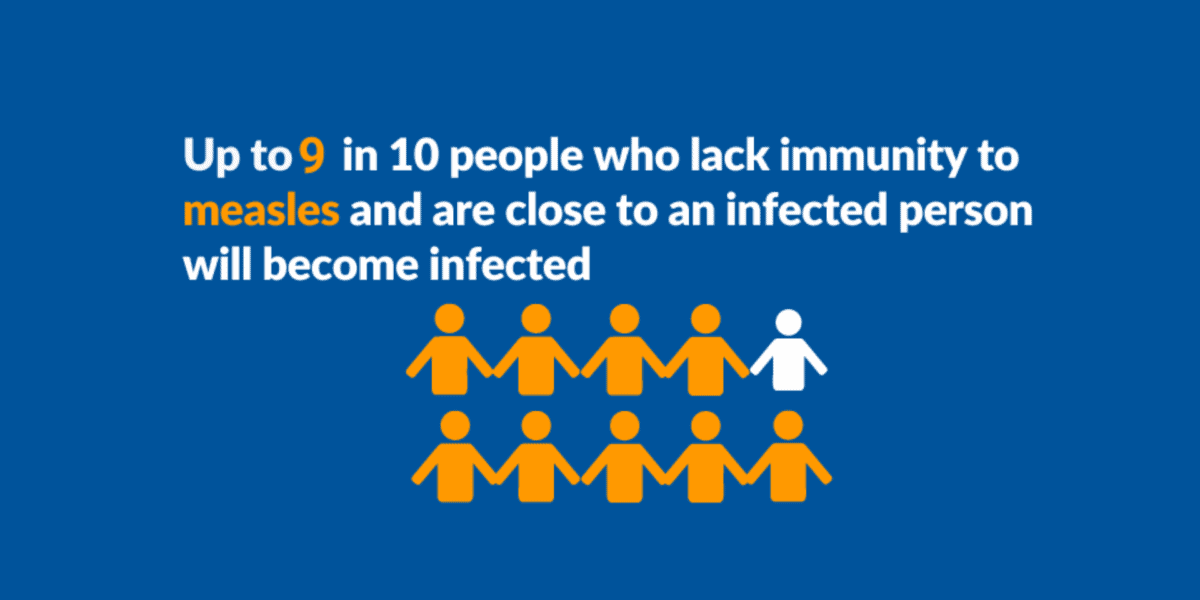
Preguntas frecuentes sobre el sarampión
Respuestas a preguntas comunes sobre el sarampión, el virus más contagioso conocido por la humanidad
Alerta de sarampión
En este episodio, los expertos de la NFID ofrecen información sobre el reciente aumento de casos de sarampión, una enfermedad altamente contagiosa y potencialmente grave que ahora está de regreso debido a las bajas tasas de vacunación en algunas comunidades…
Recursos de concientización sobre el sarampión y ejemplos de publicaciones en redes sociales
Recursos y ejemplos de publicaciones en las redes sociales para crear conciencia sobre la importancia de prevenir el sarampión