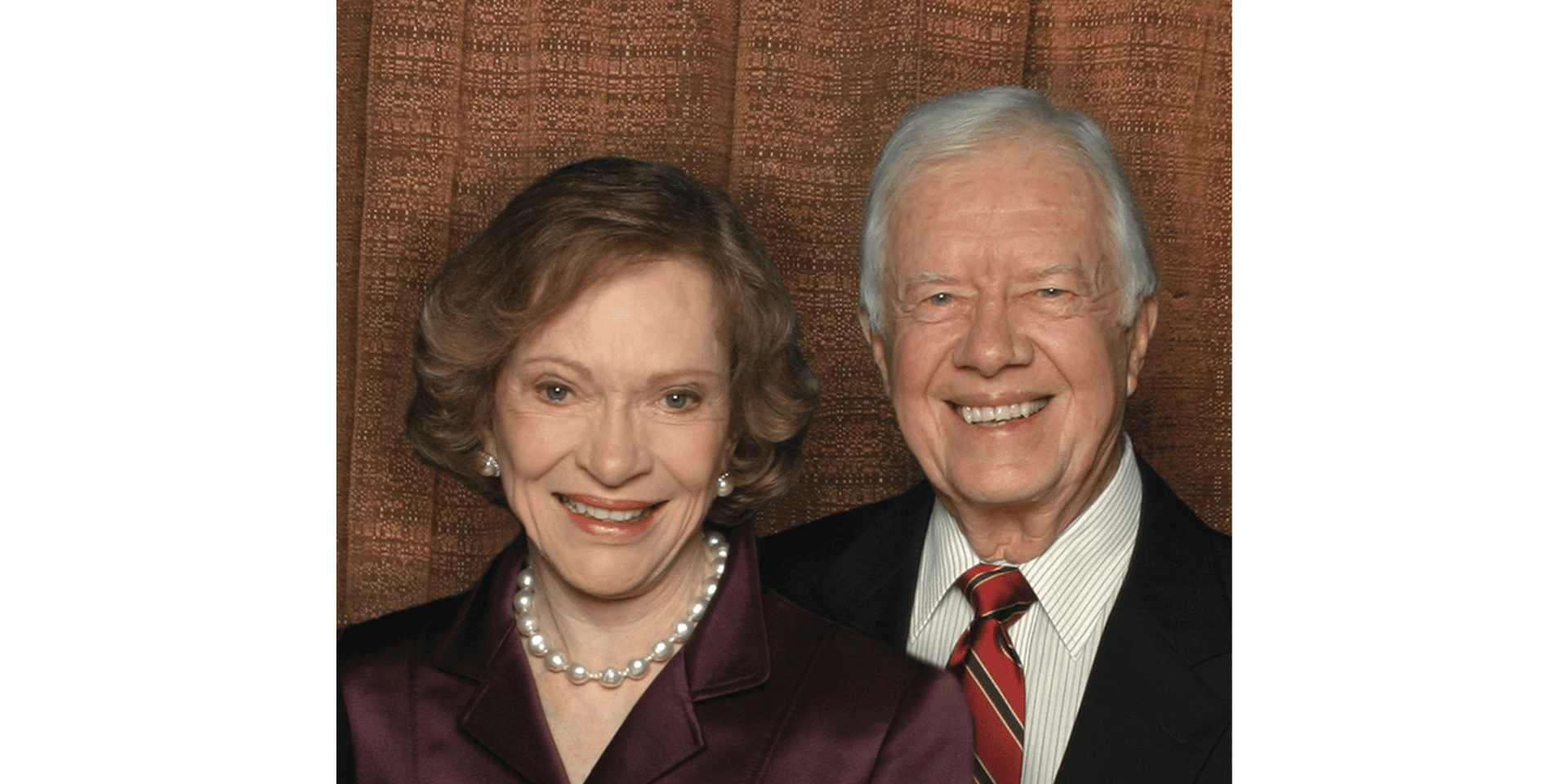
El Premio Humanitario Jimmy y Rosalynn Carter honra a las personas cuyos esfuerzos y logros humanitarios sobresalientes han contribuido significativamente a mejorar la salud pública mundial.
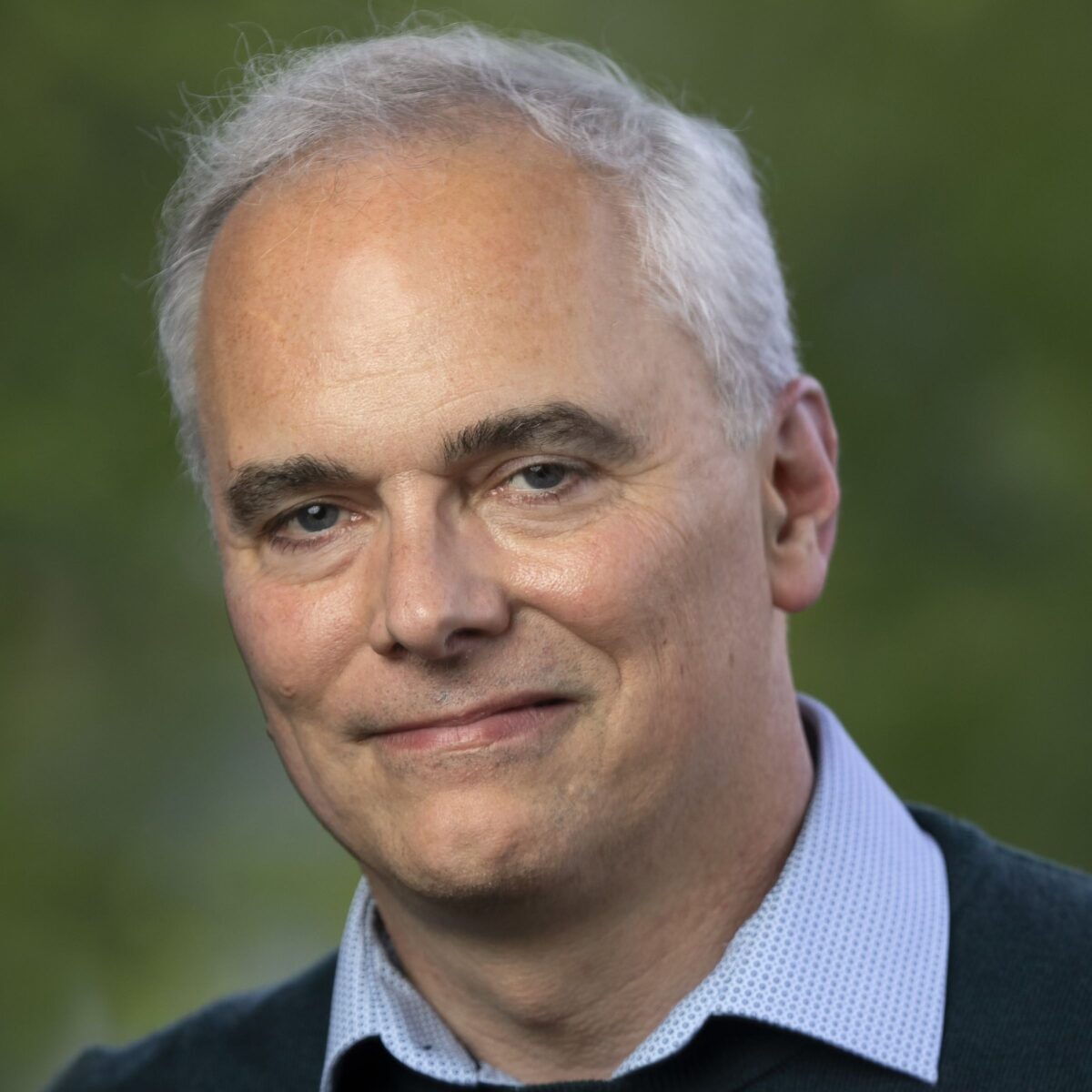
Richard J. Hatchett, MD, of the Coalition for Epidemic Preparedness Innovations (CEPI), received the 2026 NFID Jimmy and Rosalynn Carter Humanitarian Award in recognition of his extraordinary leadership in advancing global health security and pandemic preparedness. Como director ejecutivo de CEPI desde 2017, el Dr. Hatchett ha liderado los esfuerzos para acelerar el desarrollo de vacunas contra las enfermedades infecciosas emergentes y fortalecer la preparación mundial, incluida la defensa de la "Misión de 100 días" para acortar drásticamente los plazos de desarrollo de vacunas para futuras amenazas pandémicas.
Anteriormente, el Dr. Hatchett se desempeñó como director interino de la Autoridad de Investigación y Desarrollo Biomédico Avanzado de EE. UU. y ocupó cargos de alto nivel bajo los presidentes George W. Bush y Barack Obama, ayudando a dar forma a las estrategias nacionales para abordar las amenazas emergentes de enfermedades infecciosas.
Sus colegas atribuyen a su liderazgo durante la pandemia de COVID-19 la aceleración del desarrollo de vacunas, al tiempo que mantienen un fuerte enfoque en la equidad mundial para garantizar que las vacunas estén disponibles en todo el mundo, incluidos los países de bajos ingresos. Su trabajo ha ayudado a impulsar la colaboración entre los gobiernos, la industria y las instituciones científicas de todo el mundo. Read excerpts from his acceptance speech below.
Remarks on receiving the Jimmy and Rosalynn Carter Humanitarian Award
No one person invents a vaccine or builds a system of pandemic preparedness. These are achievements of institutions, partnerships, and sustained political will - and they require the kind of stubborn, patient, and more often than not unglamorous collaboration that rarely makes headlines but without which nothing of lasting significance gets done.
So I accept this award tonight as a recognition of that broader effort - and of the many people who have dedicated their careers to - and in some cases risked their lives for - the cause of global health security. I also want to say something about why awards like this matter - and to commend NFID for the role it plays in sustaining a culture that makes such collaboration possible.
Society, in recent years, has grown increasingly coarse. Empathy is often derided as weakness, international cooperation is viewed with suspicion, and many dismiss the instinct to help people beyond our borders as naïve. It is not a small thing to affirm that humanitarian work is worthy of our highest recognition. It is not a small thing to say, publicly and with conviction, that the impulse to alleviate suffering - wherever it occurs, whomever it afflicts - represents something essential about who we are.
The Carters themselves never wavered in that conviction. They understood that the culture of a society is not self-sustaining - that our best instincts require cultivation, reinforcement, and celebration if they are to survive periods of cynicism and retrenchment. By honoring humanitarian work, NFID does more than recognize individual achievement. It participates in the essential work of culture creation - and reminds us that some values are non-negotiable.
I want to close with an observation about another president, Abraham Lincoln, that has inspired me throughout my career. The historian Richard Hofstadter, who was not given to easy sentimentality, recognized in Lincoln's career something remarkable and rare: the fact that as his eminence grew - as the burdens of office and of history pressed down upon him with ever greater weight - he did not harden or grow imperious. He grew more humble. He grew more humane. The war that might have made another man ruthless or self-righteous instead deepened Lincoln's compassion and his sense of shared human frailty. His Second Inaugural Address, with its ringing call to exhibit malice toward none and charity for all, is perhaps the most luminous example in our history of power exercised with genuine moral grace.
This, I think, is the aspiration that an award like this puts before us - that we should allow whatever influence or platform or opportunity we are given to make us more humble, more humane, and more attentive to the suffering and the dignity of others. The Carters lived that aspiration. The previous recipients of this award have embodied it in their own distinctive ways. And it is the standard against which I hope we may all measure our conduct in the years ahead.
Thank you again – for this extraordinary honor, for your commitment to the values it represents, and for the reminder that, even in difficult times, there are people who believe that compassion is not weakness, that solidarity is not naïveté, and that the work of protecting human life is the most important work there is.
For additional perspectives from Richard J. Hatchett, MD, listen to the NFID Infectious IDeas podcast episode, Days, Not Years: Reimagining Vaccine Development:

Image Source: NFID