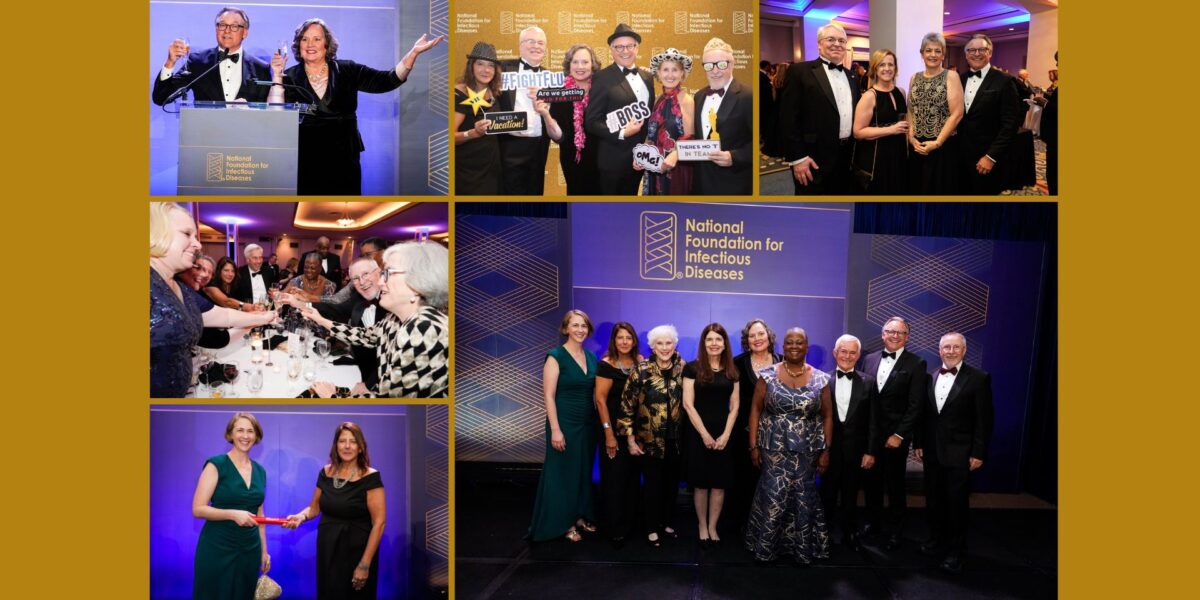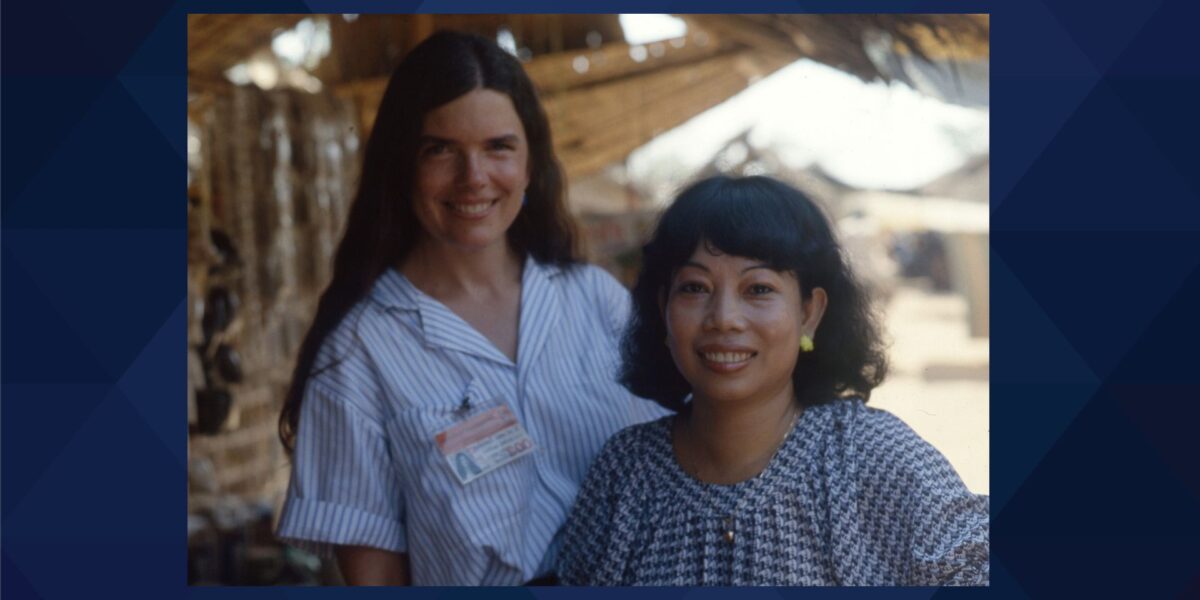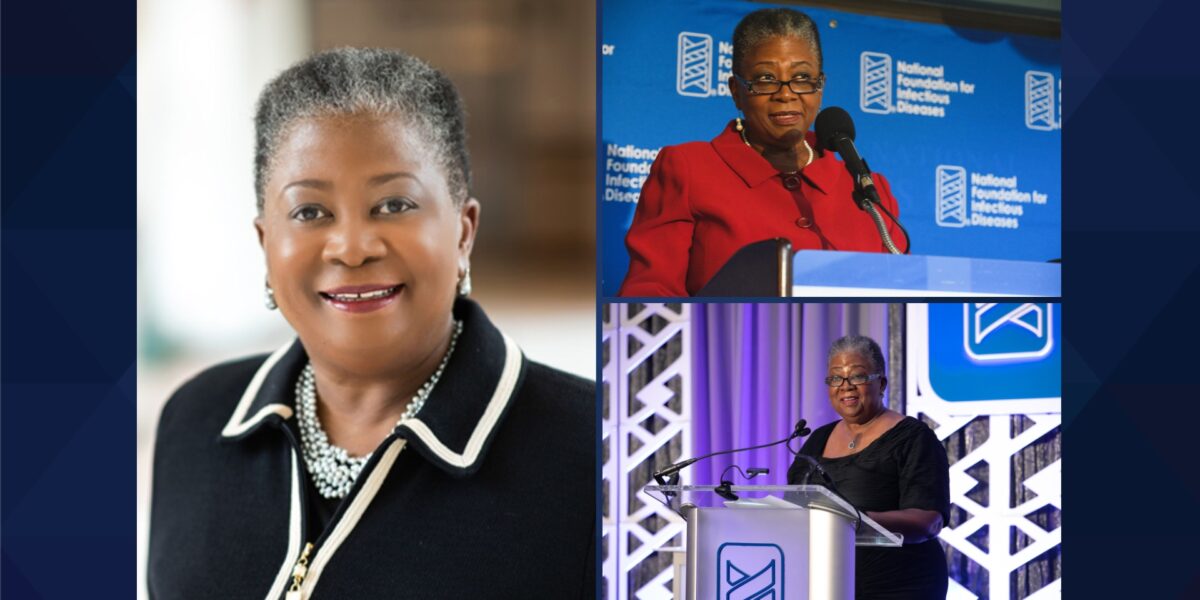
On October 20, 2026, the National Foundation for Infectious Diseases (NFID) will honor three global health leaders at the 2026 NFID Awards Gala at the Milken Center for Advancing the American Dream in Washington, DC. These inspiring individuals have spent their careers making sure that lifesaving vaccines are developed faster and reach the people who need them most.
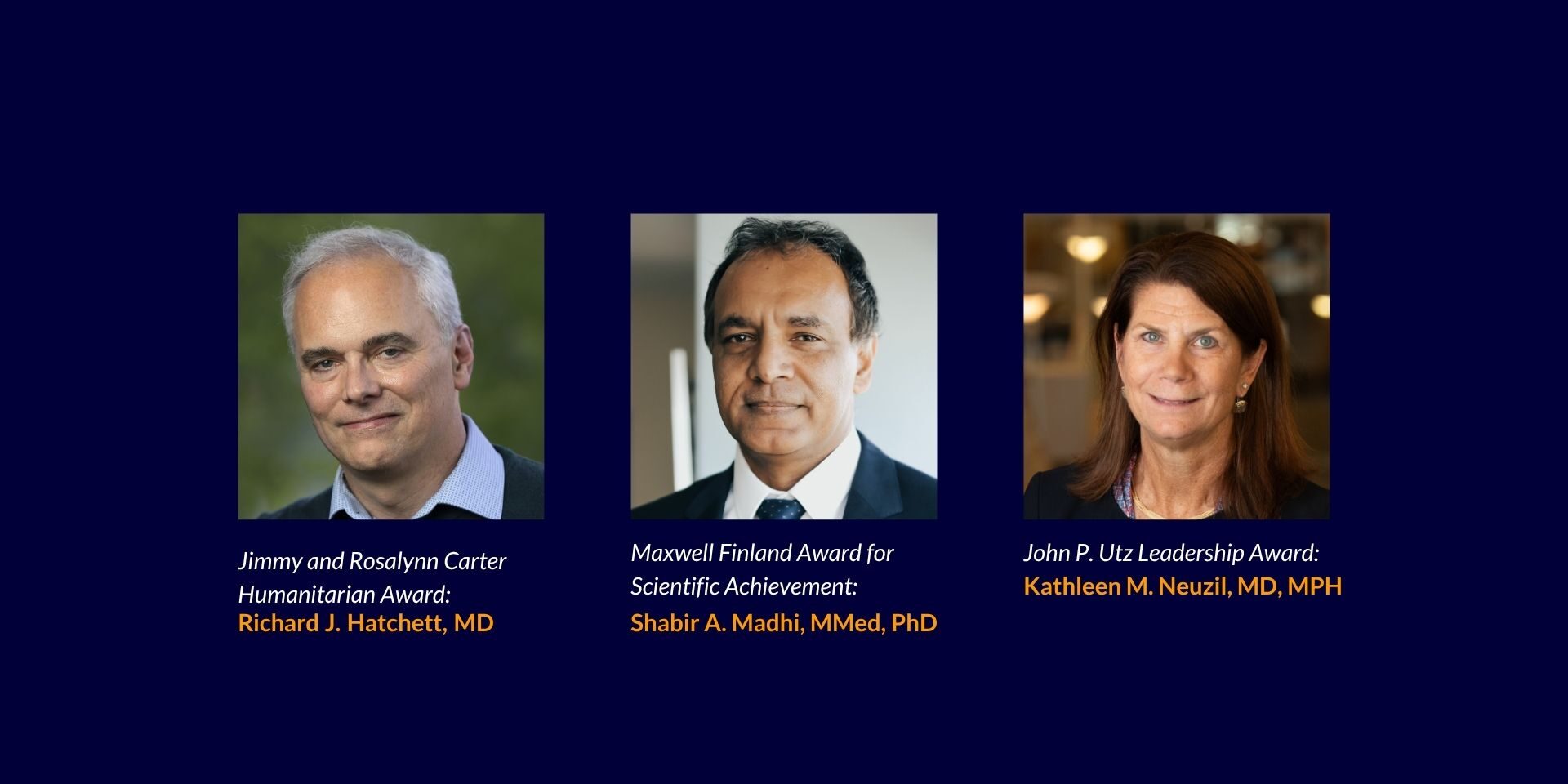
- Richard J. Hatchett, MD, chief executive officer, Coalition for Epidemic Preparedness Innovations (CEPI), will receive the 2026 NFID Jimmy and Rosalynn Carter Humanitarian Award in recognition of his extraordinary leadership in advancing global health security and pandemic preparedness.
- Shabir A. Madhi, MMed, PhD, dean of health sciences and professor of vaccinology, University of the Witwatersrand, Johannesburg, South Africa, will receive the 2026 NFID Maxwell Finland Award for Scientific Achievement, recognizing his lasting contributions and influential career in vaccine research and global disease prevention.
- Kathleen M. Neuzil, MD, MPH, director of polio, Gates Foundation, will receive the 2026 John P. Utz Leadership Award in recognition of her leadership and service to NFID and the field of infectious diseases.
Ahead of the gala, each awardee joined NFID CEO Rebecca Alvania, PhD, MA, MPH, and NFID Medical Director Robert H. Hopkins, Jr., MD, on the NFID Infectious IDeas podcast. We asked what worries them most and what gives them hope.
2026 Premio Humanitario Jimmy y Rosalynn Carter
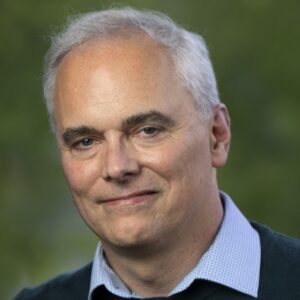
Photo: Courtesy of Richard J. Hatchett, MD
What keeps Richard Hatchett up at night is lost time. When an outbreak begins, he says, "the most important asset that you have in an epidemic context is time." Earlier detection buys time for vaccines, treatments, and containment, yet he calls surveillance both "absolutely critical and criminally underfunded."
The recent Bundibugyo ebolavirus outbreak shows the stakes. CEPI was founded about 10 years ago, partly in response to Ebola, and he notes that with no Bundibugyo vaccine in advanced development, "we're right back where we started." COVID-19 taught a related lesson: vaccines arrived in record time, yet "more people died globally in 2021 than perished in 2020." Speed alone is not enough without fair access.
That conviction drives CEPI's 100 Days Mission, which began with a simple question: "Is it possible to drastically compress vaccine development timelines?" Hatchett credits the organization's progress to "the moral purpose behind it," including a commitment that vaccines are "allocated fairly and moved to the people that need them first and foremost." His hope is that the world stops treating pandemics as rare "black swans" and meets them with lasting institutional commitment.
His advice to early-career professionals: take risks and follow your passion, even without a map. As he puts it, borrowing from the poet Antonio Machado:
“You create the path by walking.”
Dr. Richard J. Hatchett
Listen to the full episode: Days, Not Years: Reimagining Vaccine Development
2026 Premio Maxwell Finlandia al Logro Científico
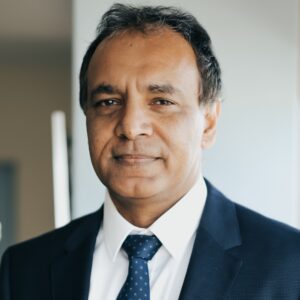
Photo: Courtesy of Shabir A. Madhi, MMed, PhD
Shabir Madhi trained in pediatrics during the height of the HIV epidemic in South Africa, an experience he describes as "somewhat demoralizing because we simply didn't have many options." It led him to prevention: "We might not be able to get them through into adulthood, but we can at least reduce their suffering."
Today, he sees several threats to that progress. "One of the greatest threats we face is the impact that misinformation and disinformation can have," he says, warning that eroding trust could "risk a reversal of the tremendous gains" made through vaccination. He also points to "the under-recognized threat that antimicrobial resistance presents," noting that about half of newborn deaths in African countries have an infectious cause, mostly from hospital-acquired, multidrug-resistant bacteria.
Above all, he worries about access. "The biggest challenge that we have faced throughout my career and before is the issue of affordability," he says, describing a "10- to 20-year lag" before lifesaving interventions reach low-income countries. He argues that "Africa's external dependencies pose a massive health security risk to the continent."
Yet he is hopeful. "The concept of a vaccinologist simply didn't exist on the continent even 15 years ago," he notes, and COVID-19 proved that Africa has the "capacity, capability, and expertise" to lead. For the next generation of clinician-scientists, his message is to step into advocacy so research becomes policy:
“As clinician scientists, we don’t have the luxury of sitting in our labs, in our hospitals, in our clinics … without becoming advocates for [research] findings to be implemented.”
Shabir A. Madhi, MMed, PhD
Listen to the full episode: Vaccines, Equity, and Africa’s Scientific Future
2026 John P. Utz Leadership Award
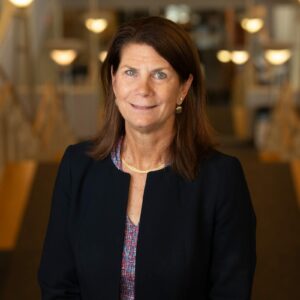
Photo: Courtesy of Kathleen M. Neuzil, MD, MPH
For Kathy Neuzil, the worry is fragility. Geopolitical turmoil, record displacement, Ebola outbreaks, and the resurgence of measles all strain public health systems at once. "I do worry, though, that with the geopolitical and financial fragility, we have to stop the decline," she says.
Funding cuts are a particular concern, because vaccines work only when they reach everyone. "What made vaccination so powerful is the ability to reach all, which includes the financial ability to reach all." As she leads polio eradication efforts, she warns that conflict, population movement, and weaker surveillance could undo decades of progress: "It would not take much for polio to again recur in many countries throughout the world."
She also sees a gap in how the field tells its story. "We clearly have not communicated well the value of vaccines," she says. Still, she remains optimistic about new scientific tools and continued investment, and she hopes eradication will free children and mothers from the fear of paralysis.
Her advice to young people, especially women in science, is to start with the basics, keep asking the right questions, and treat detours as part of the path. Above all: "Do what you like to do."
"What's the ultimate health equity? It is eradicating a disease where we all benefit equally."
Kathleen M. Neuzil, MD, MPH
Listen to the full episode: Building a Legacy of Health Equity
Join Us to Celebrate Public Health Excellence
Celebrate Dr. Hatchett, Professor Madhi, and Dr. Neuzil at the 2026 NFID Annual Awards Gala on October 20, 2026, in Washington, DC. The Gala celebrates excellence in public health while bringing together partners, colleagues, and supporters dedicated to advancing healthier lives for all through evidence-based prevention and treatment. Learn more.
Unable to attend? Consider making a donation to support NFID(opens in new tab).
Para unirse a la conversación y obtener las últimas noticias sobre enfermedades infecciosas:
- Dale me gusta y sigue a NFID(opens in new tab) en las redes sociales usando el hashtag #NFIDAwards(opens in new tab)
- Escucha y suscríbete al podcast de Infectious IDeas(opens in new tab)
- Suscríbase para recibir futuras actualizaciones de la NFID(opens in new tab)